Description
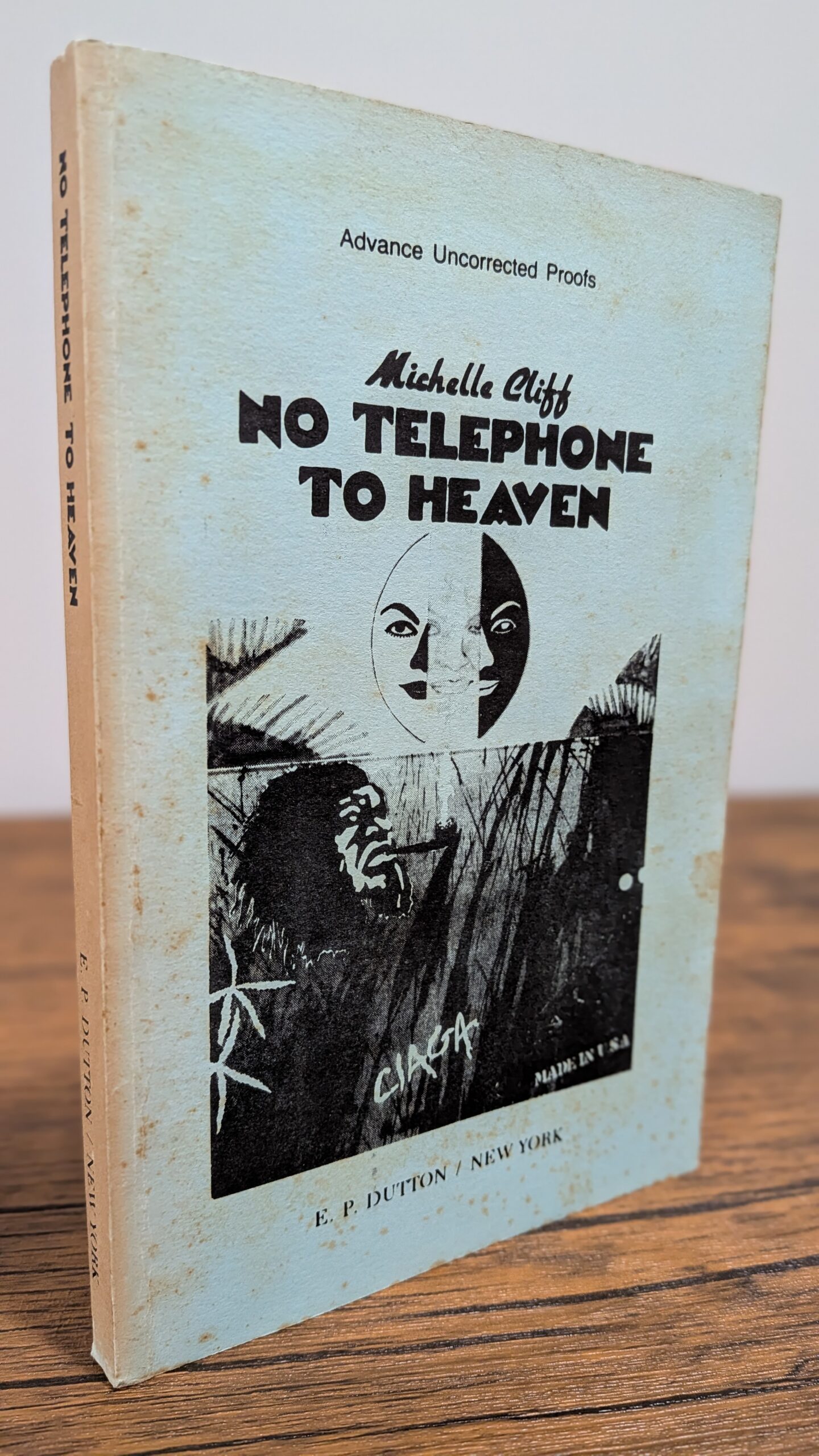
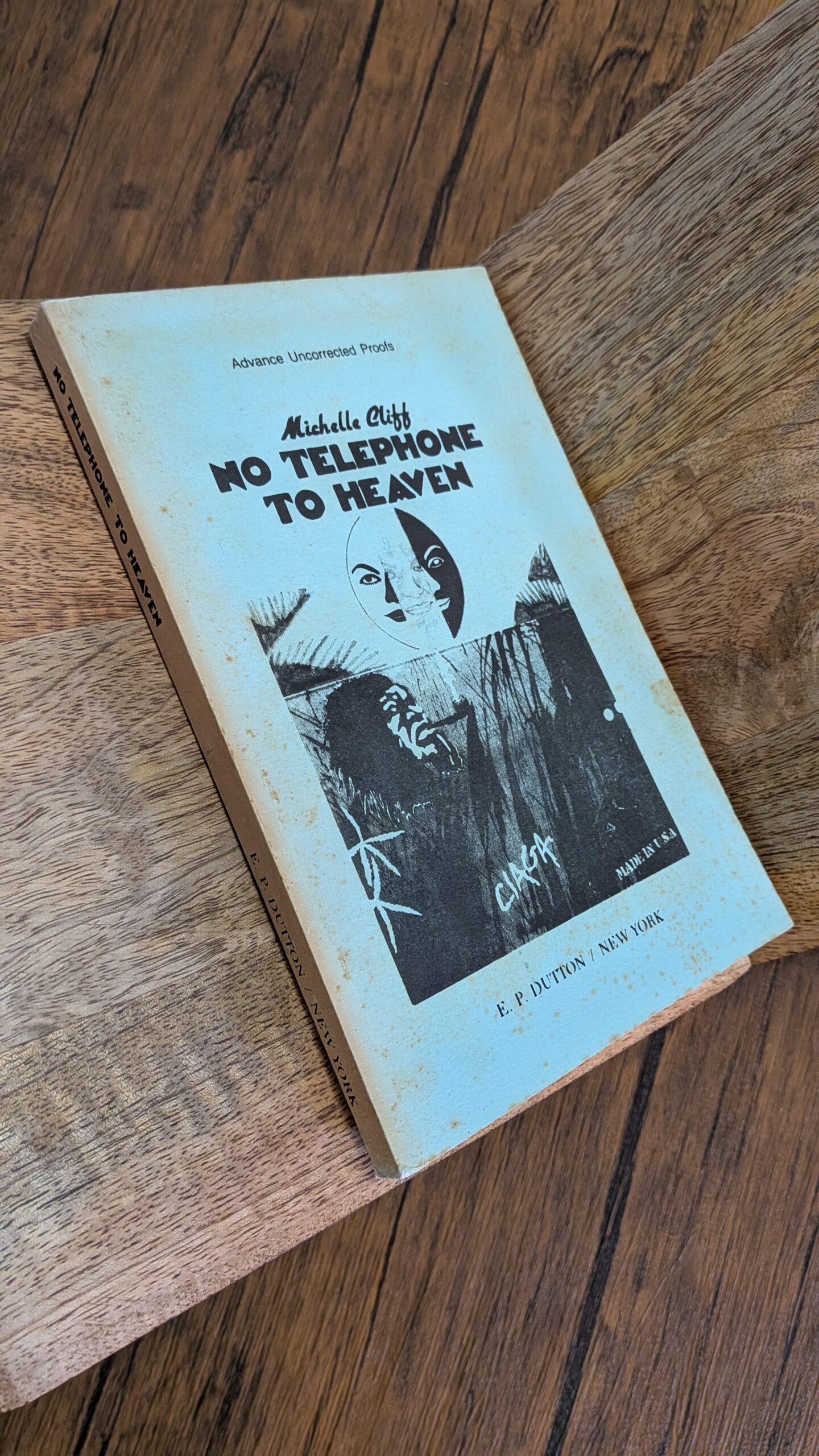
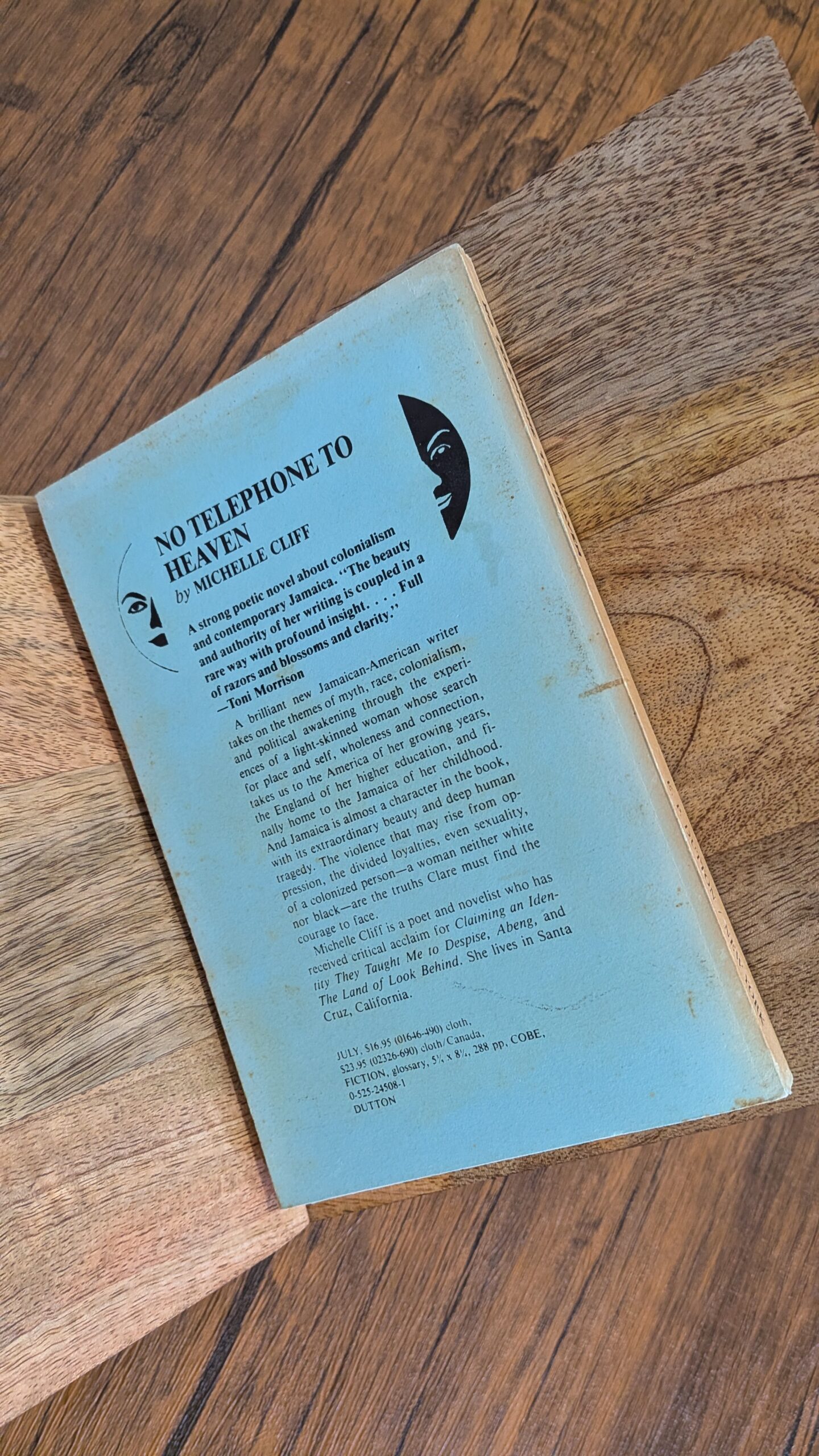
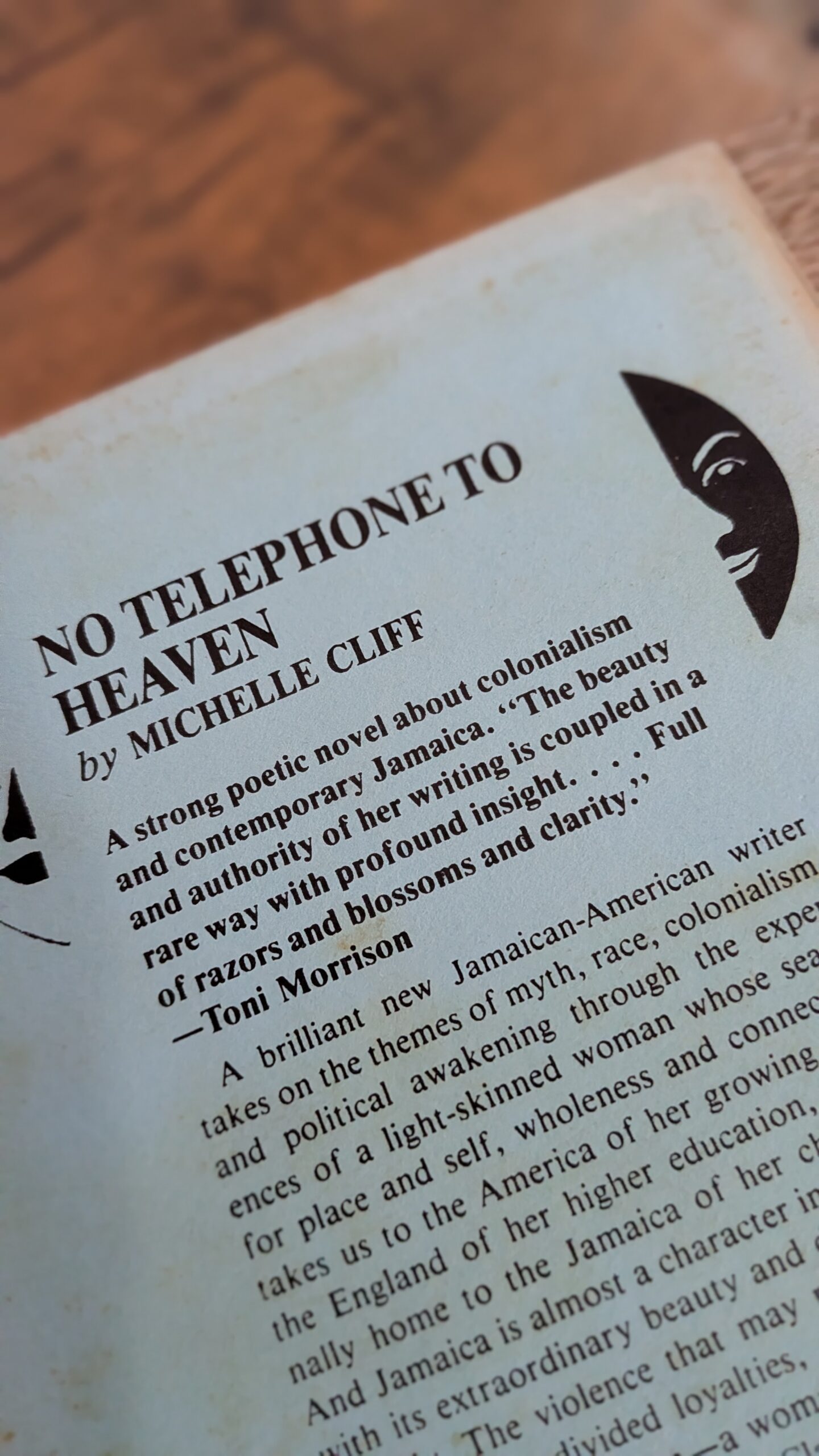
CLIFF, Michelle. No Telephone to Heaven. New York: E. P. Dutton, 1987.
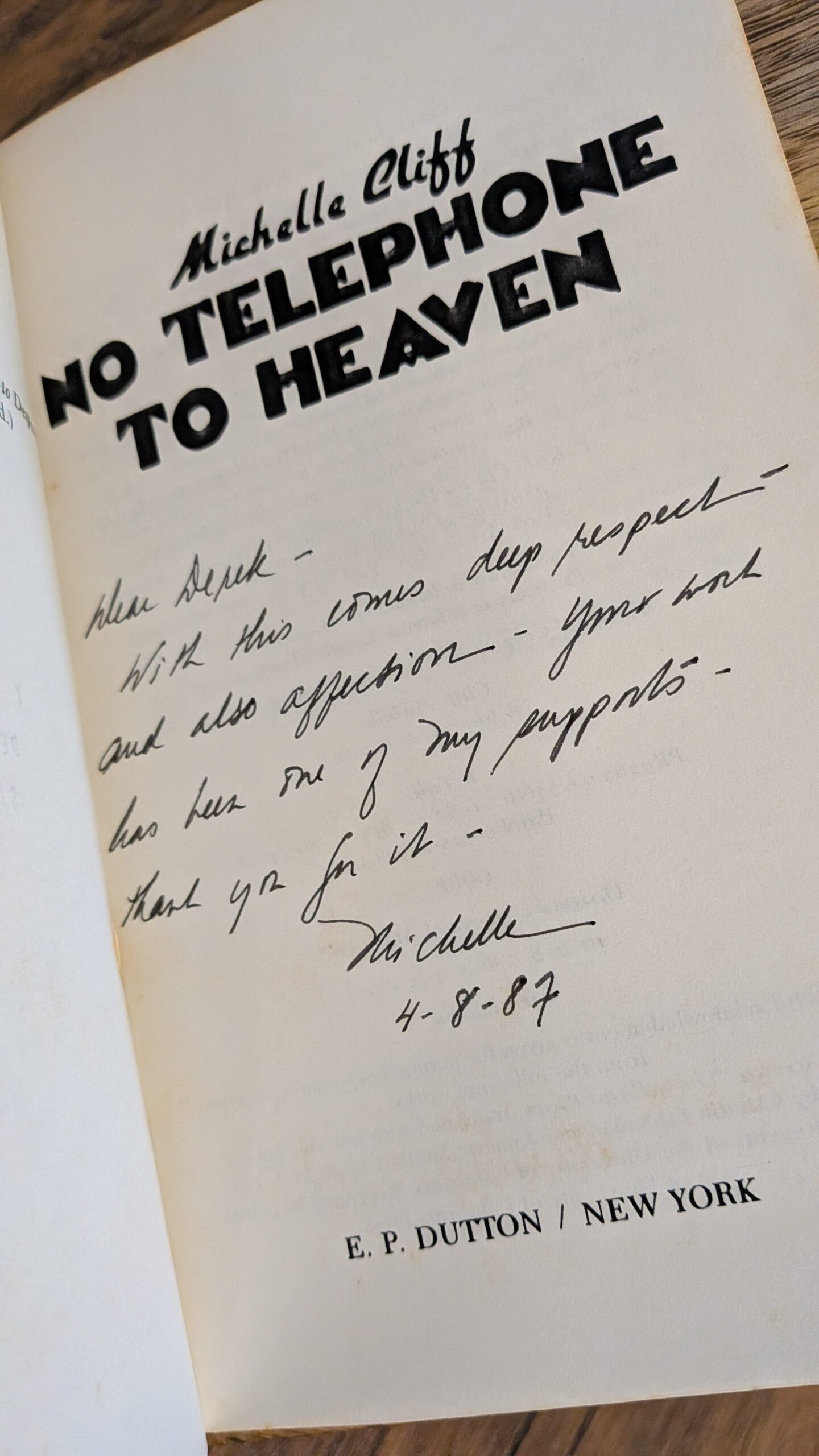
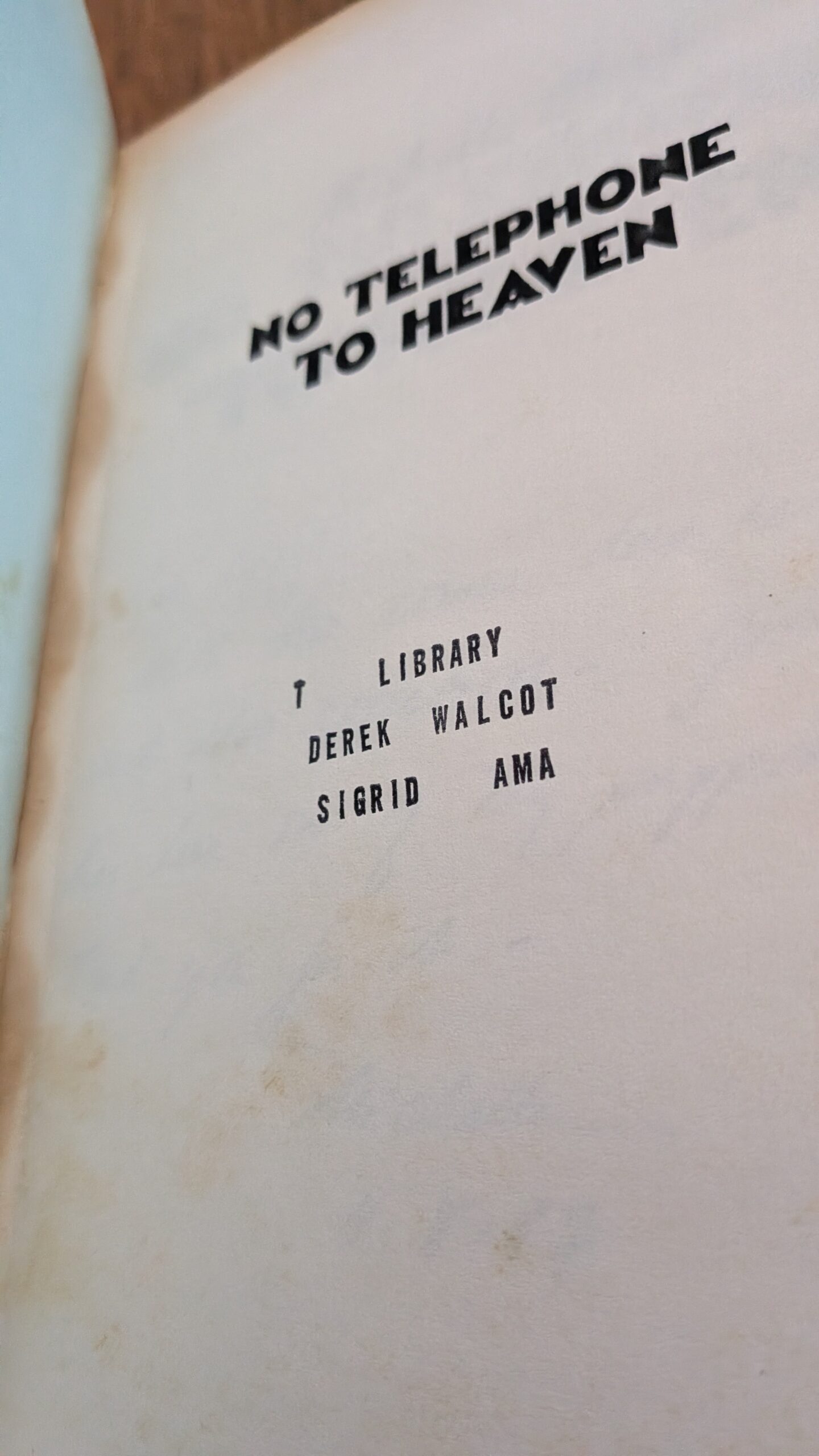
Advance Uncorrected Proofs. 21 cm tall. 186 pages. Very Good-. Pronounced foxing to wrappers. Moderate foxing to edges. Spine sunned. Pronounced foxing to front hinge; hinge remains sound. Only trace foxing through text proper. Inscribed by the author to the Nobel Prize-winning fellow Caribbean author whose work supplies the novel’s opening and closing epigraphs, Derek Walcott: “Dear Derek — With this comes deep respect — and also affection — your work has been one of my supports — thank you for it — Michelle 4-8-87.” Ownership stamp (incomplete impression) of Derek Walcott and Sigrid Nama (Walcott’s companion until his death in 2017) to half-title page.
- Michelle Cliff’s sequel to her semi-autobiographical debut novel Abeng (1984), completing a critically acclaimed duology examining colonialism’s impact on Caribbean identity.
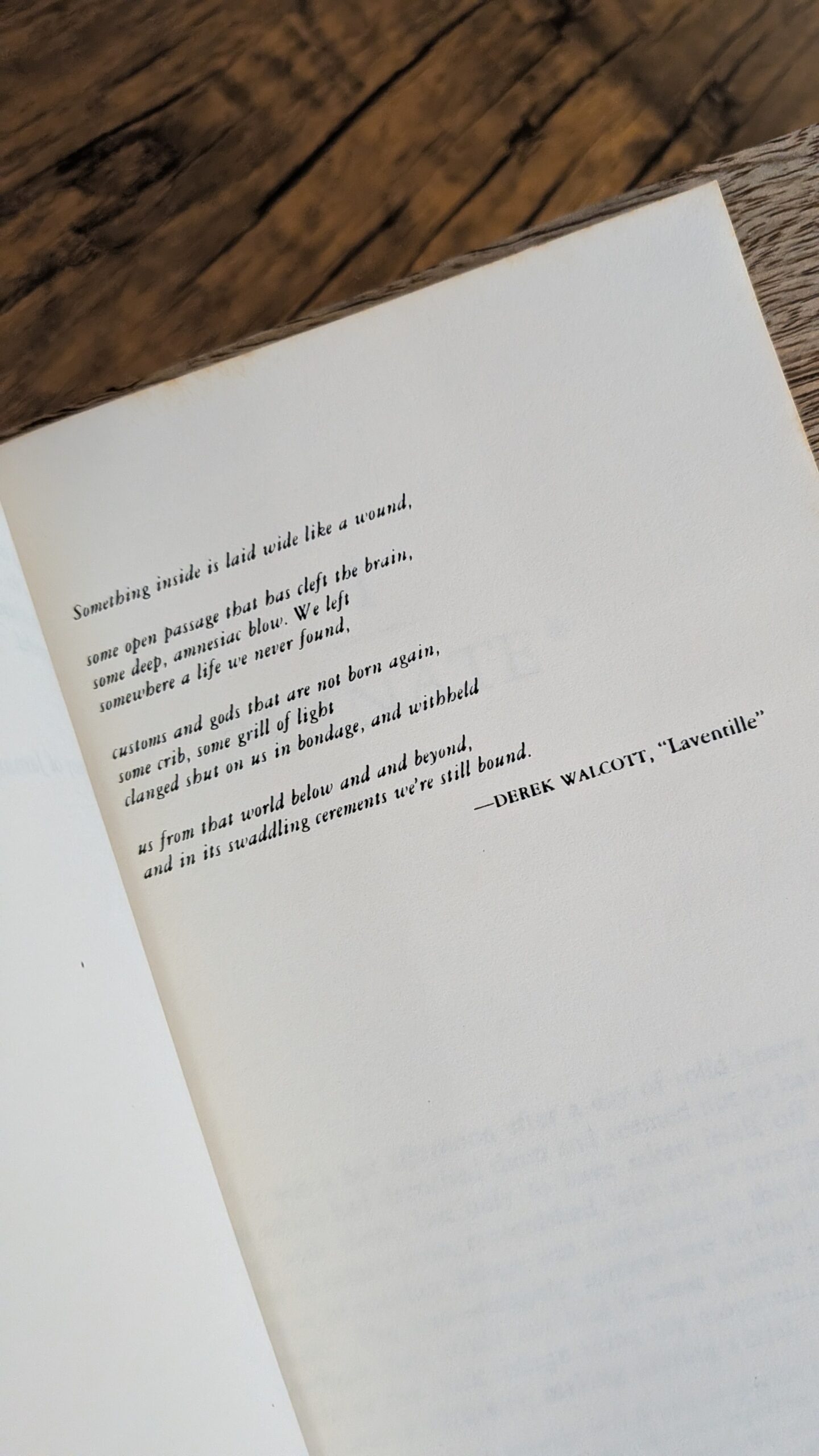
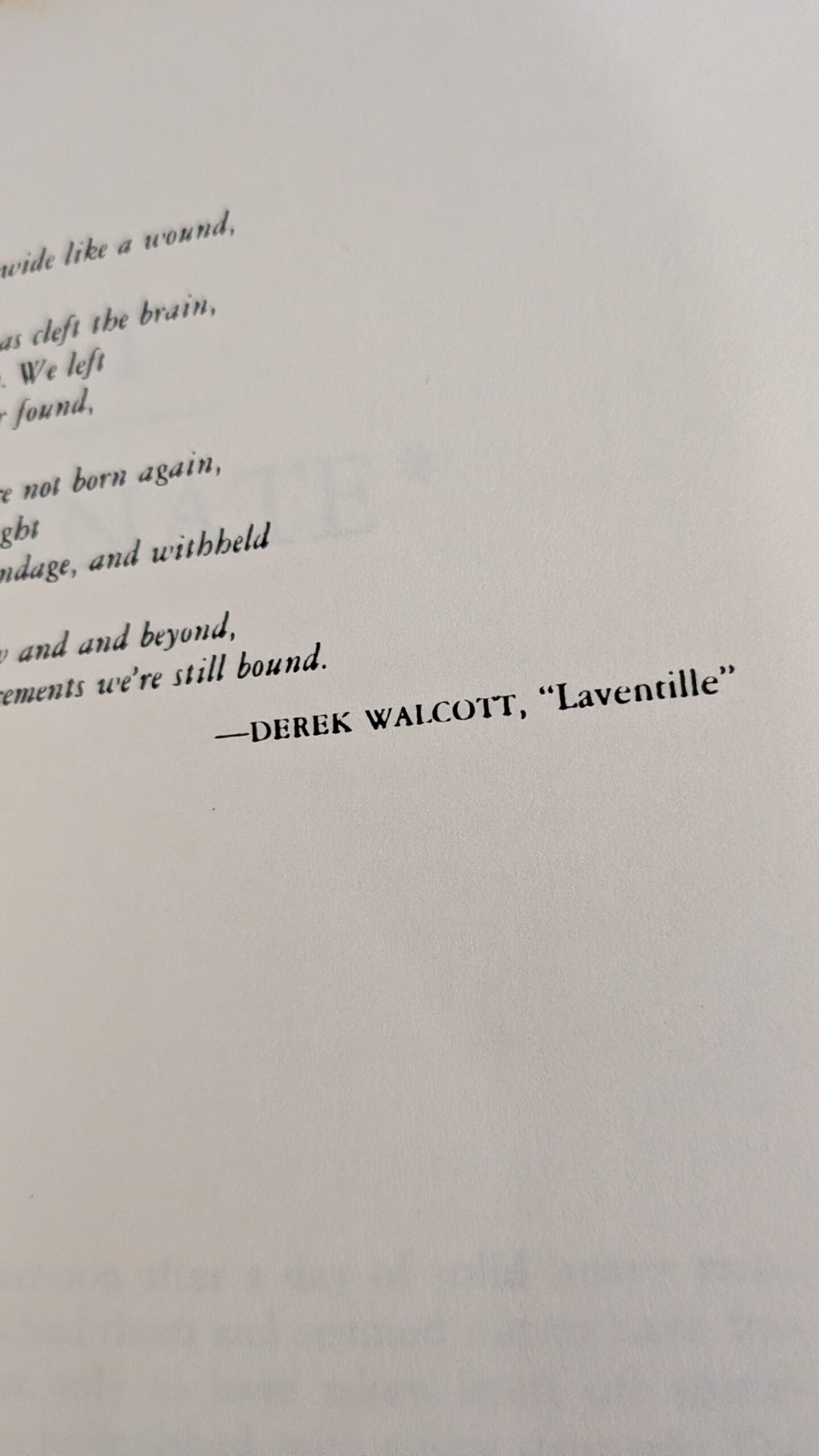
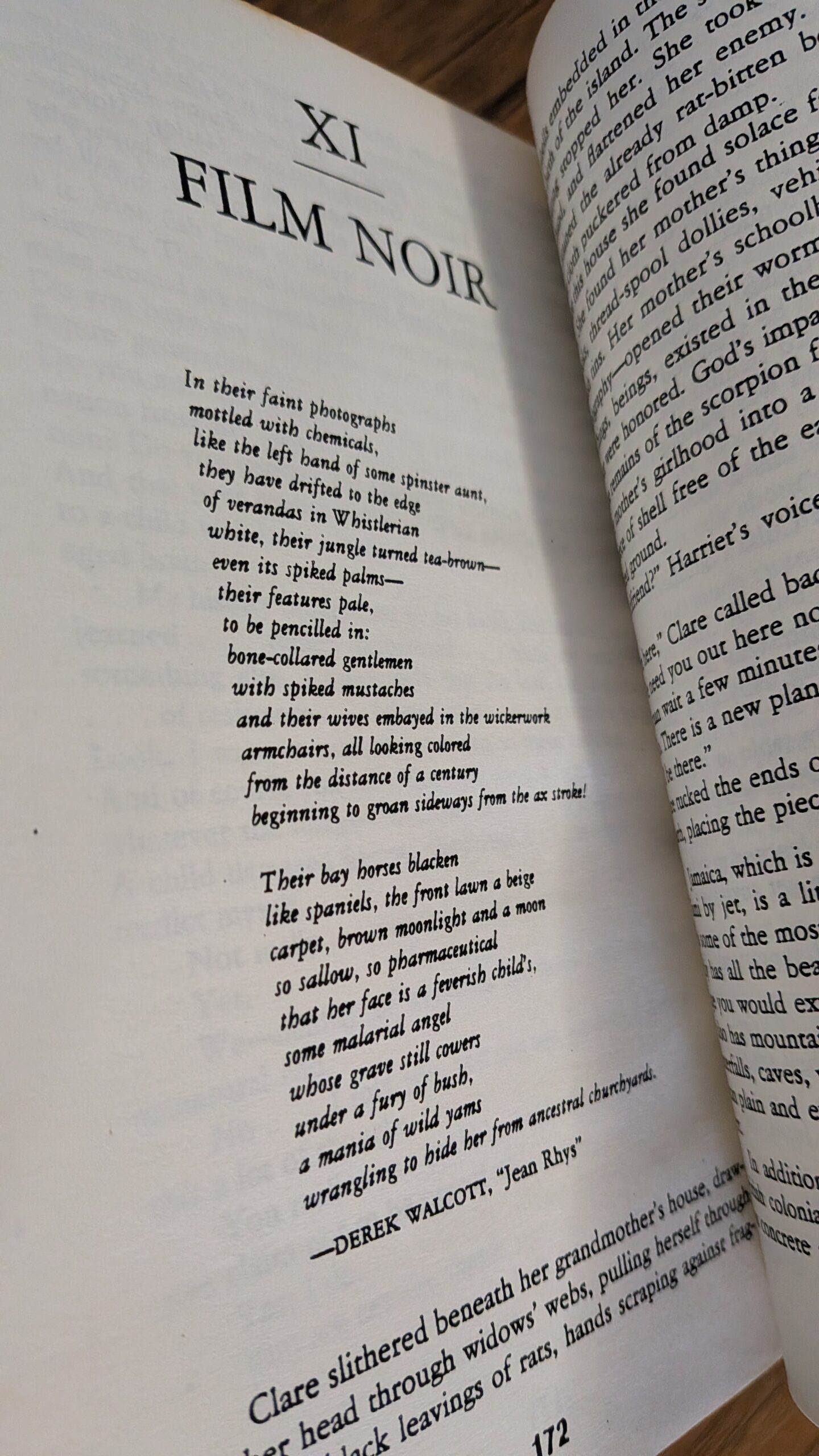
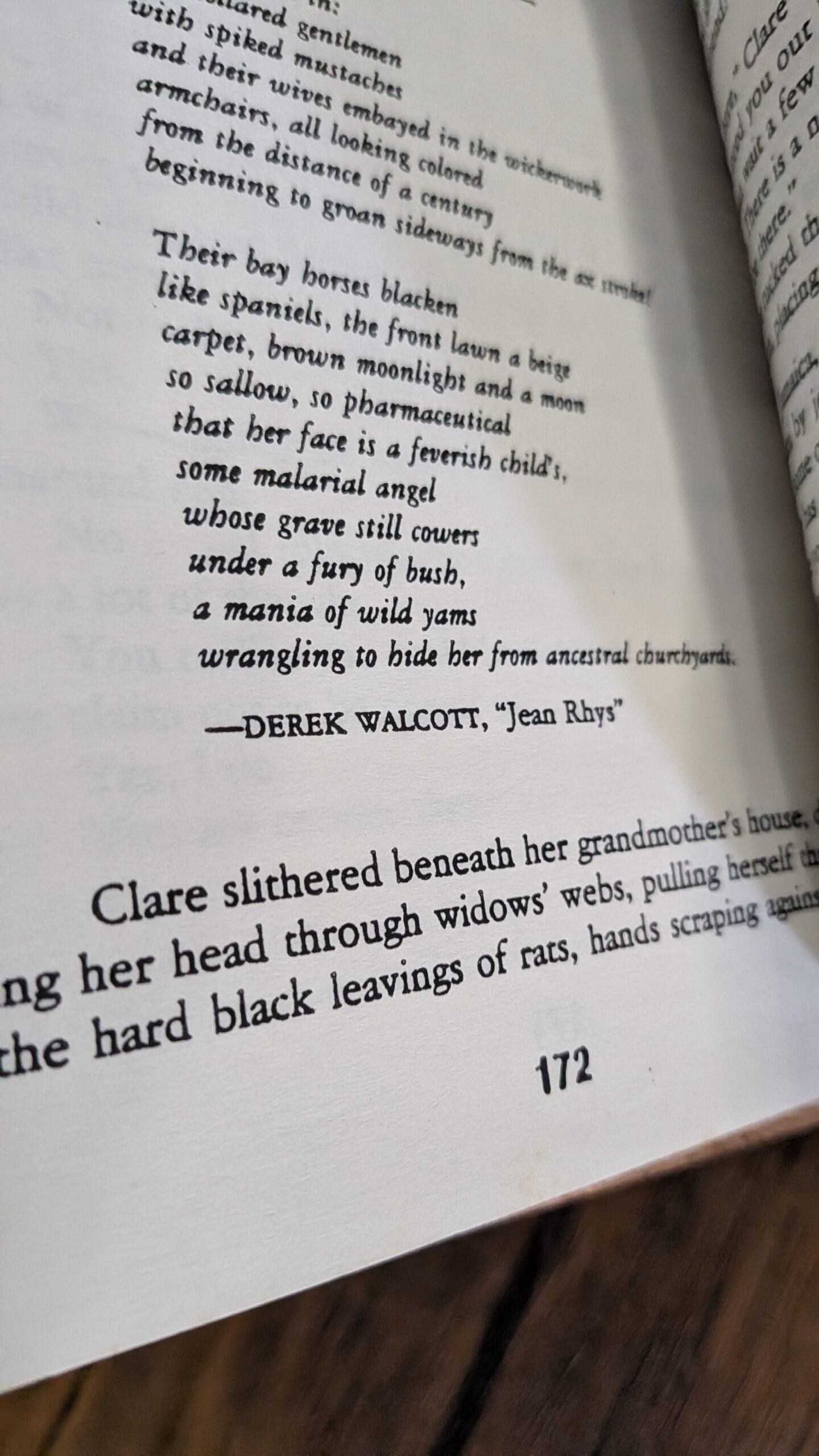
- This copy inscribed to Derek Walcott, the Nobel Prize-winning fellow Caribbean author whose work supplies the novel’s opening and closing epigraphs; remarkably, these very epigraphs have been the subject of scholarly paratextual analysis regarding their contribution to Caribbean literary authority. See Love, “A Paratextual Threshold: Epigraphs and Postcolonial Literary Authority in Michelle Cliff’s No Telephone to Heaven,” Storyworlds: A Journal of Narrative Studies (2020).
- “Using poems by Derek Walcott to bookend No Telephone with opening and concluding epigraphs, Cliff makes a dynamic statement regarding her view of the Caribbean poet’s position as a literary authority and the intertextual nature of Caribbean literary expression.” Love, p. 16.
- A one-of-a-kind association copy offering provenance of direct scholarly interest within an important work of postcolonial fiction from a significant Jamaican-American and LGBTQ voice.