

Description
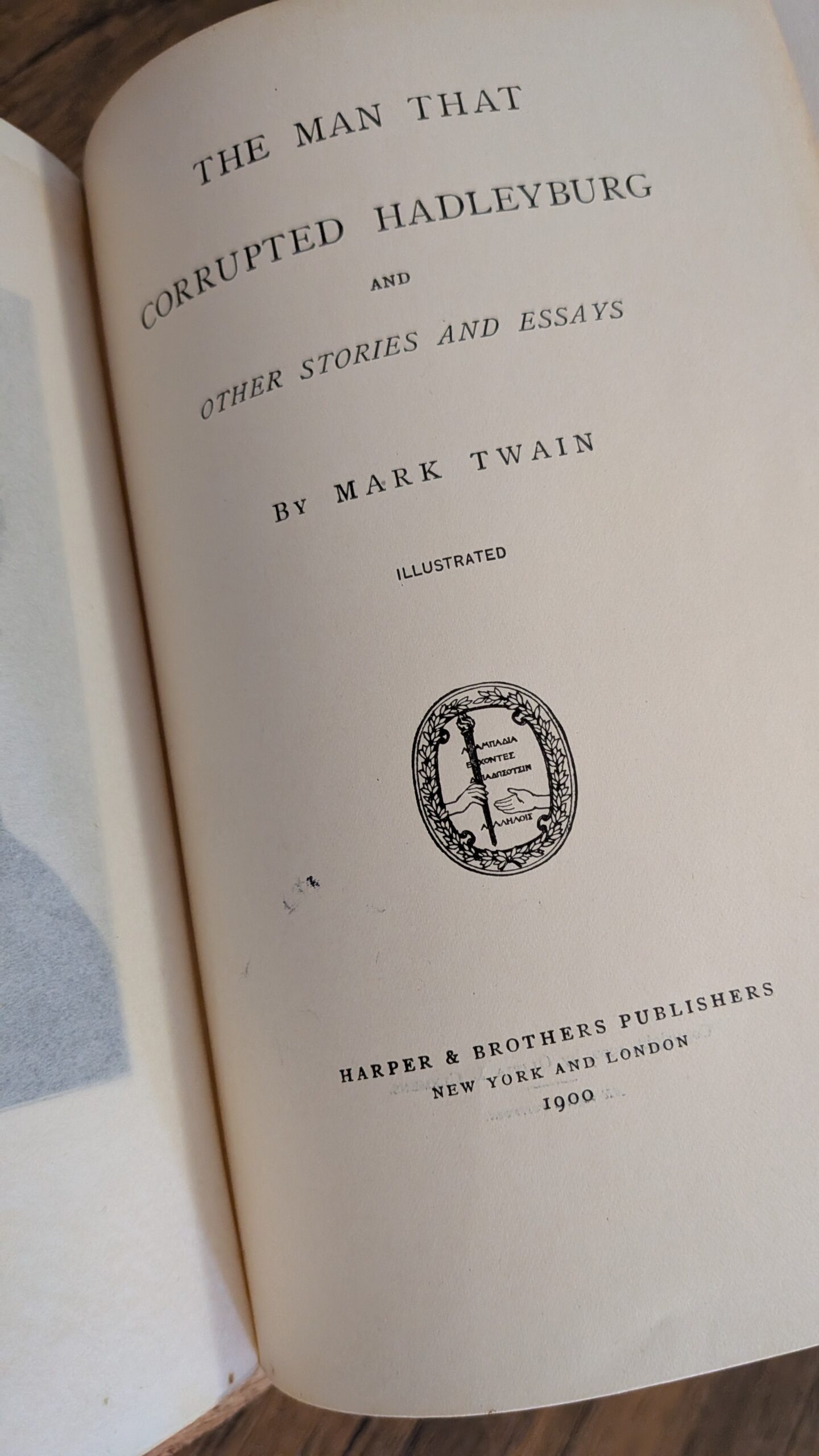
TWAIN, Mark. The Man That Corrupted Hadleyburg and Other Stories and Essays. New York and London: Harper & Brothers Publishers, 1900.
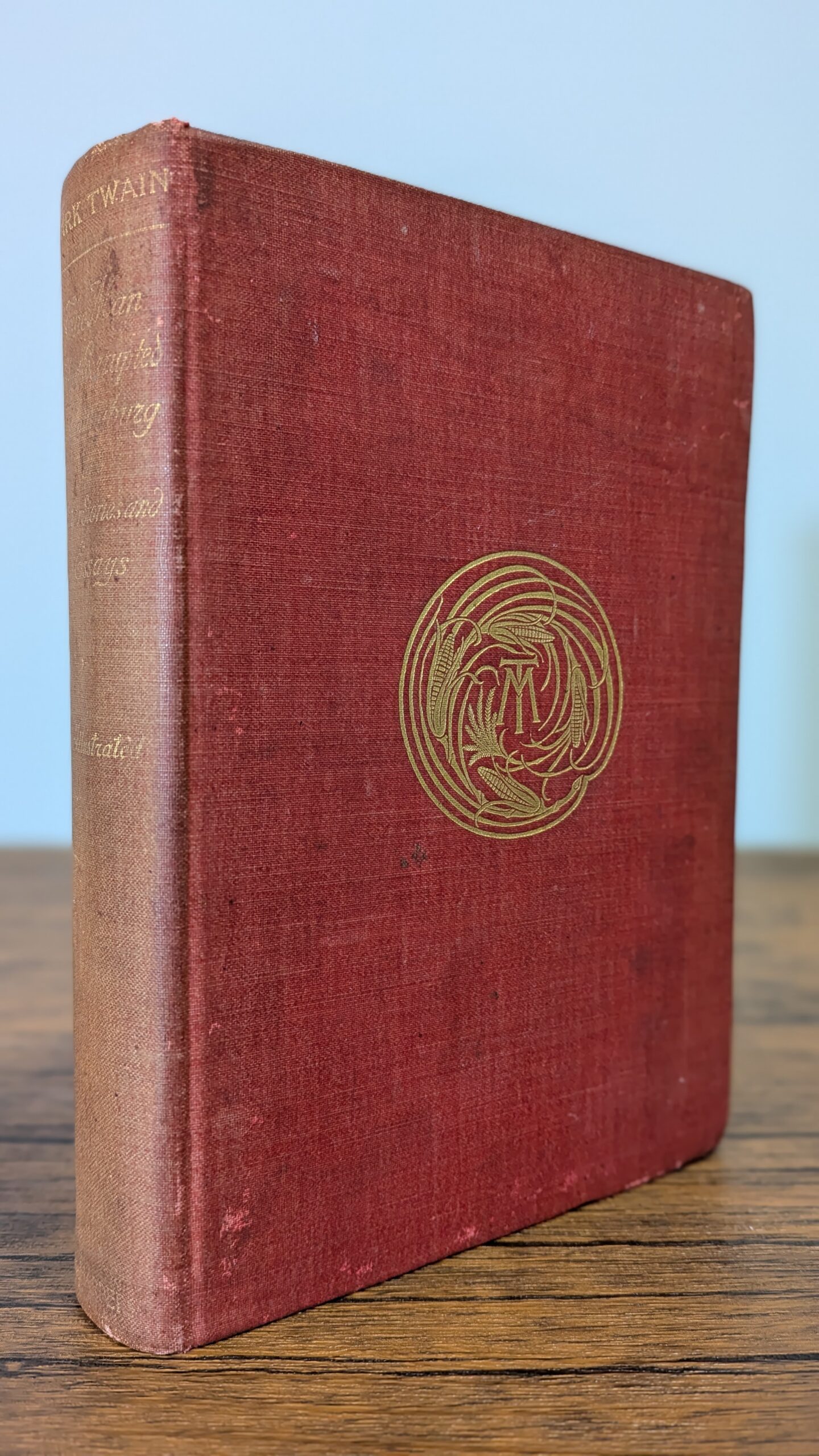
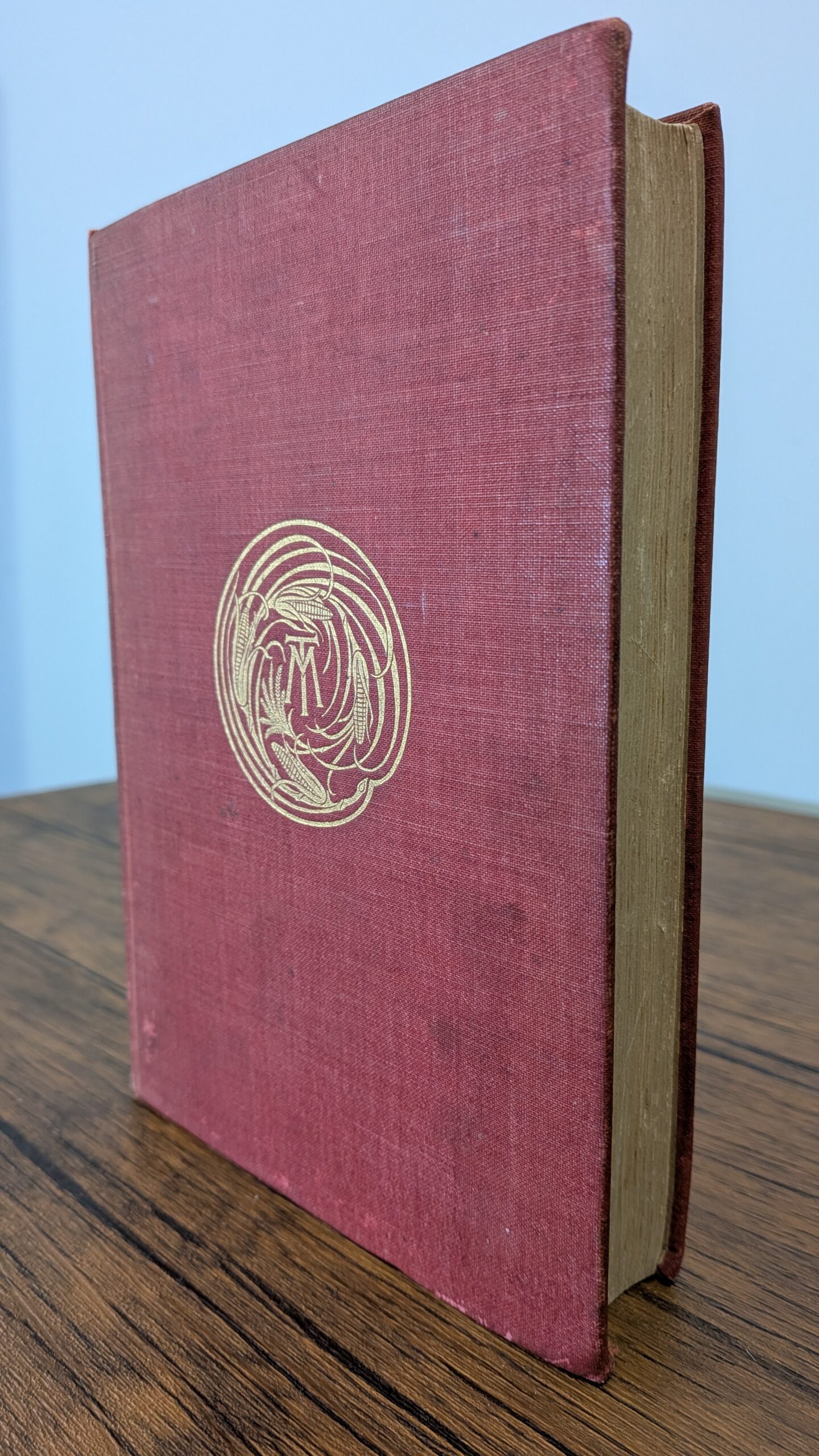
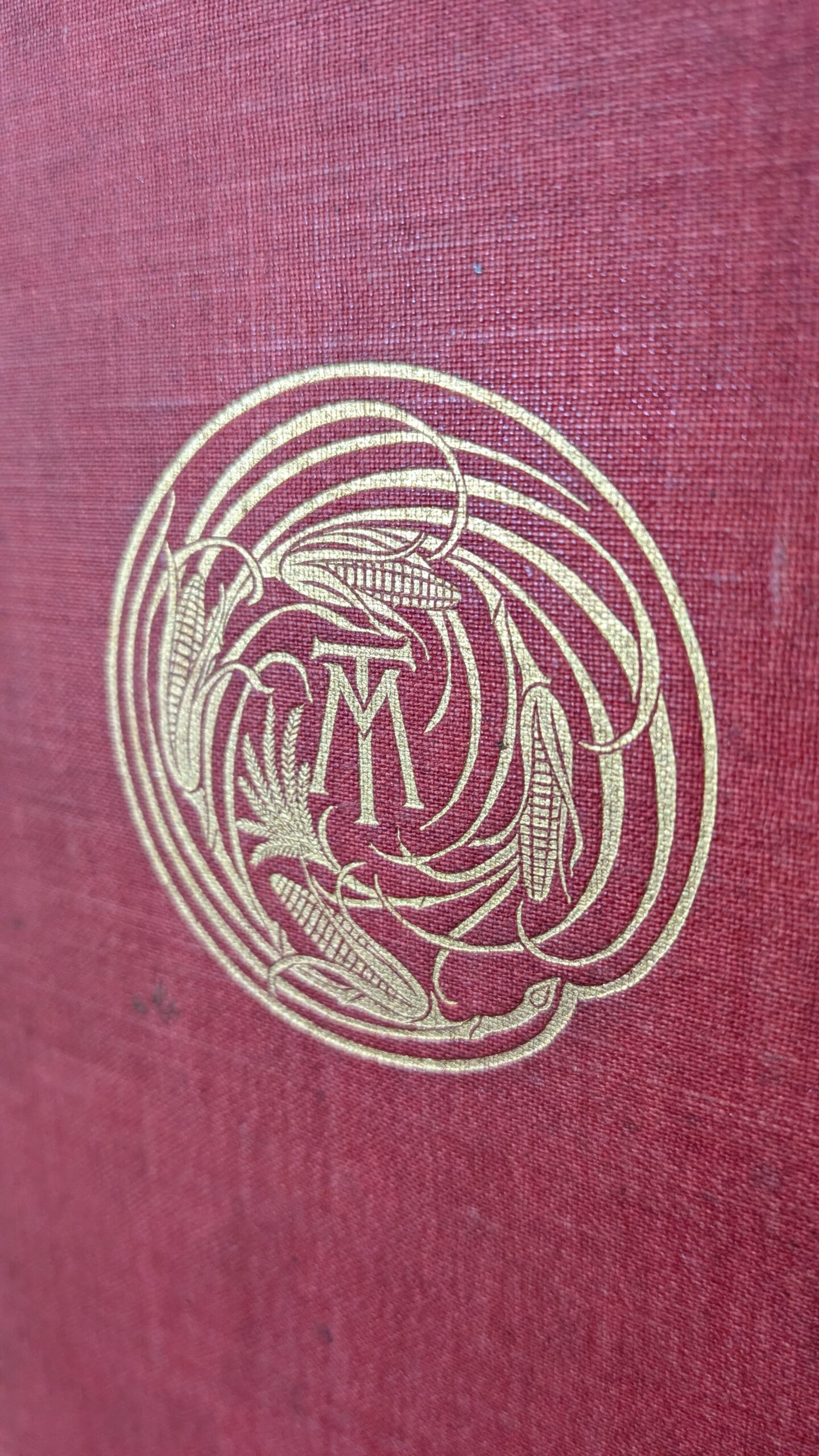
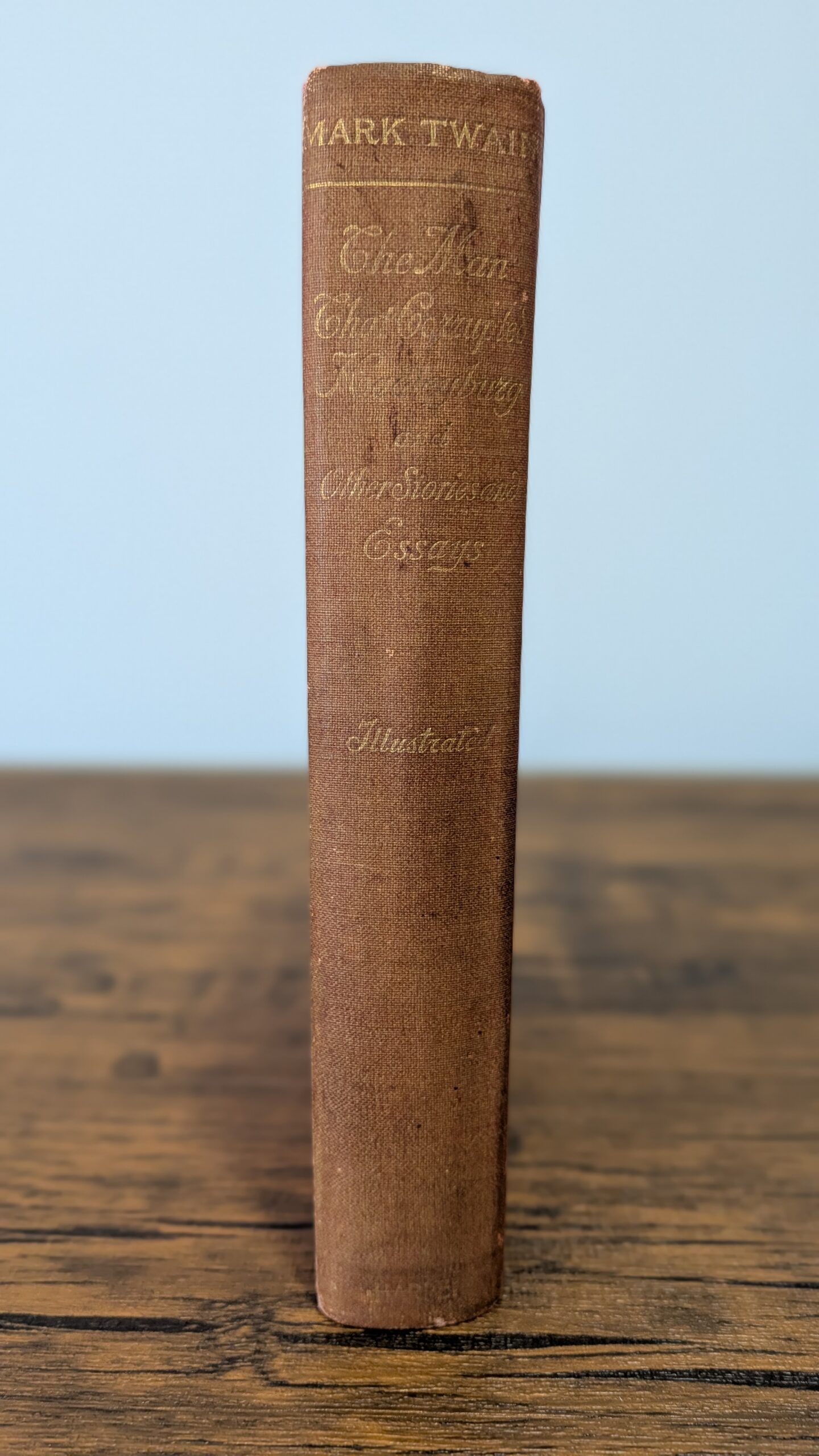
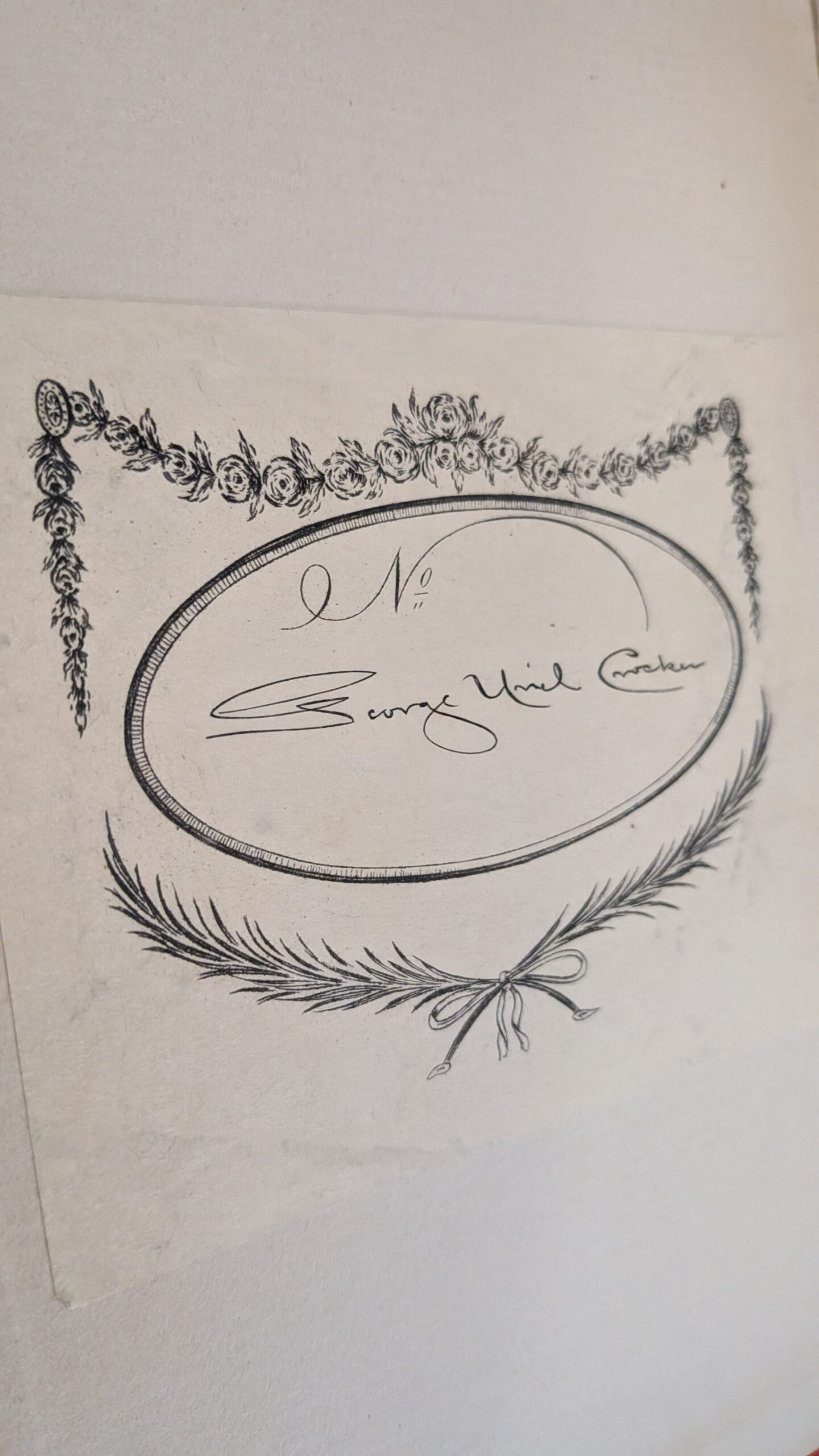
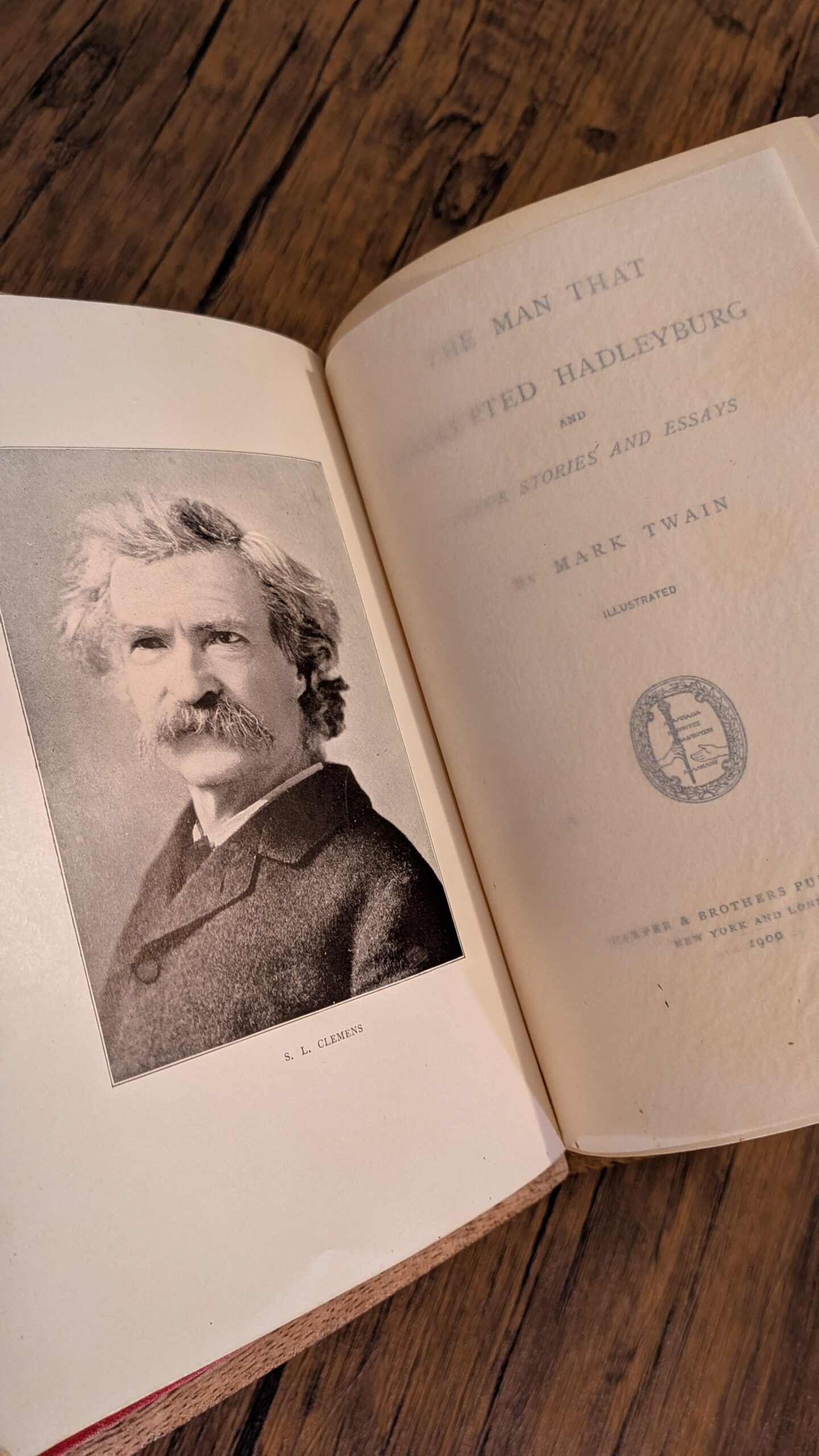
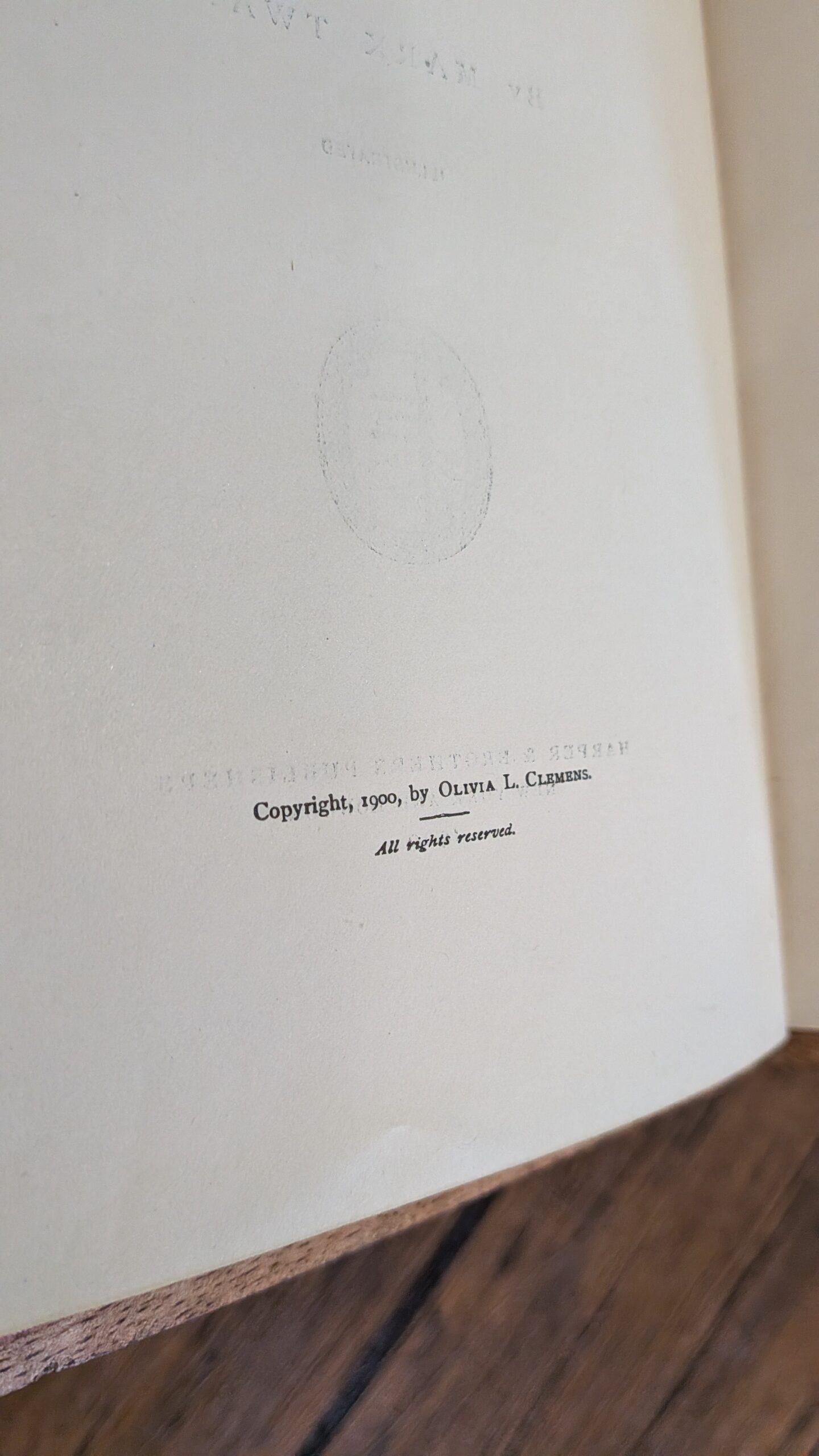
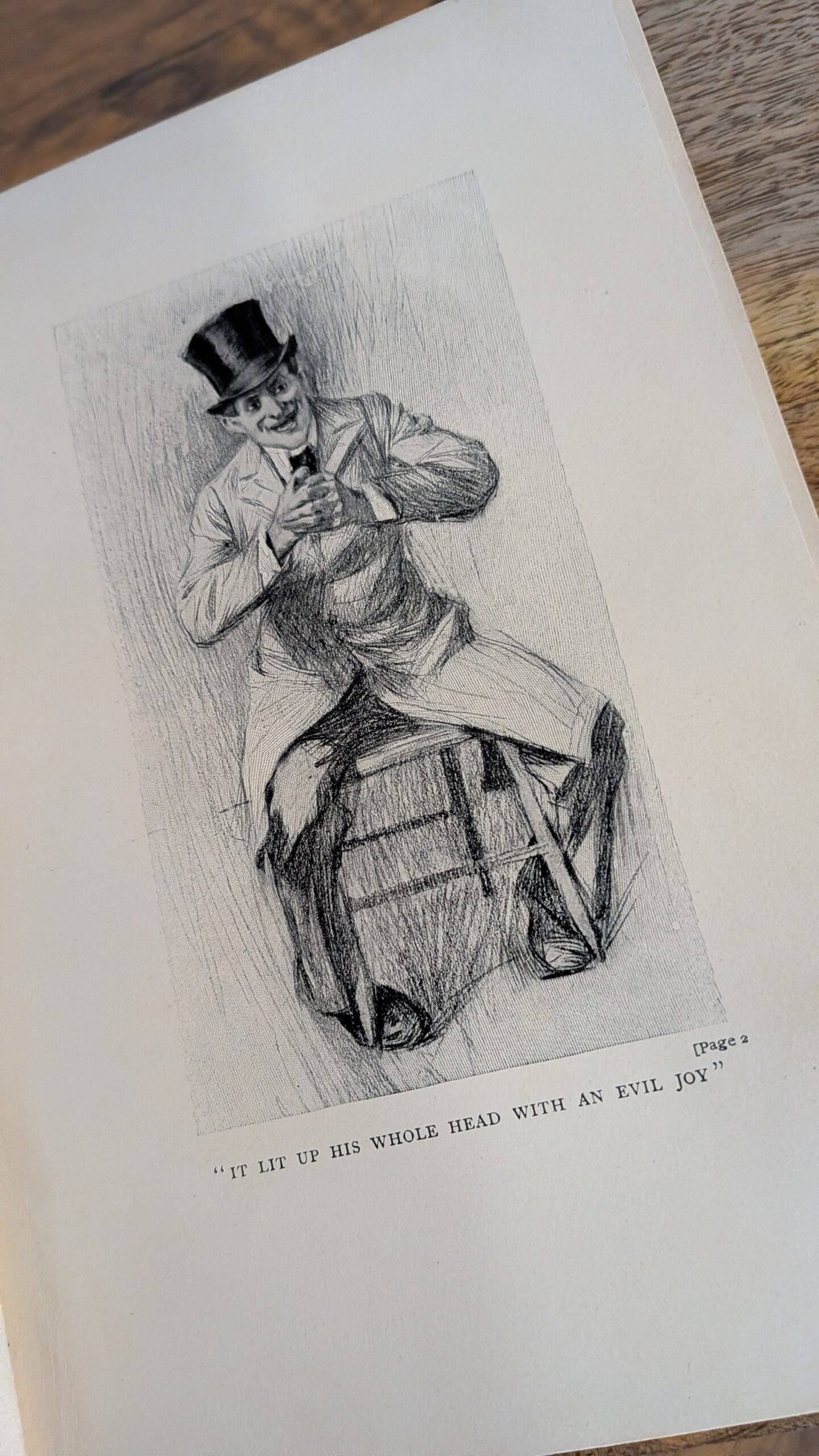
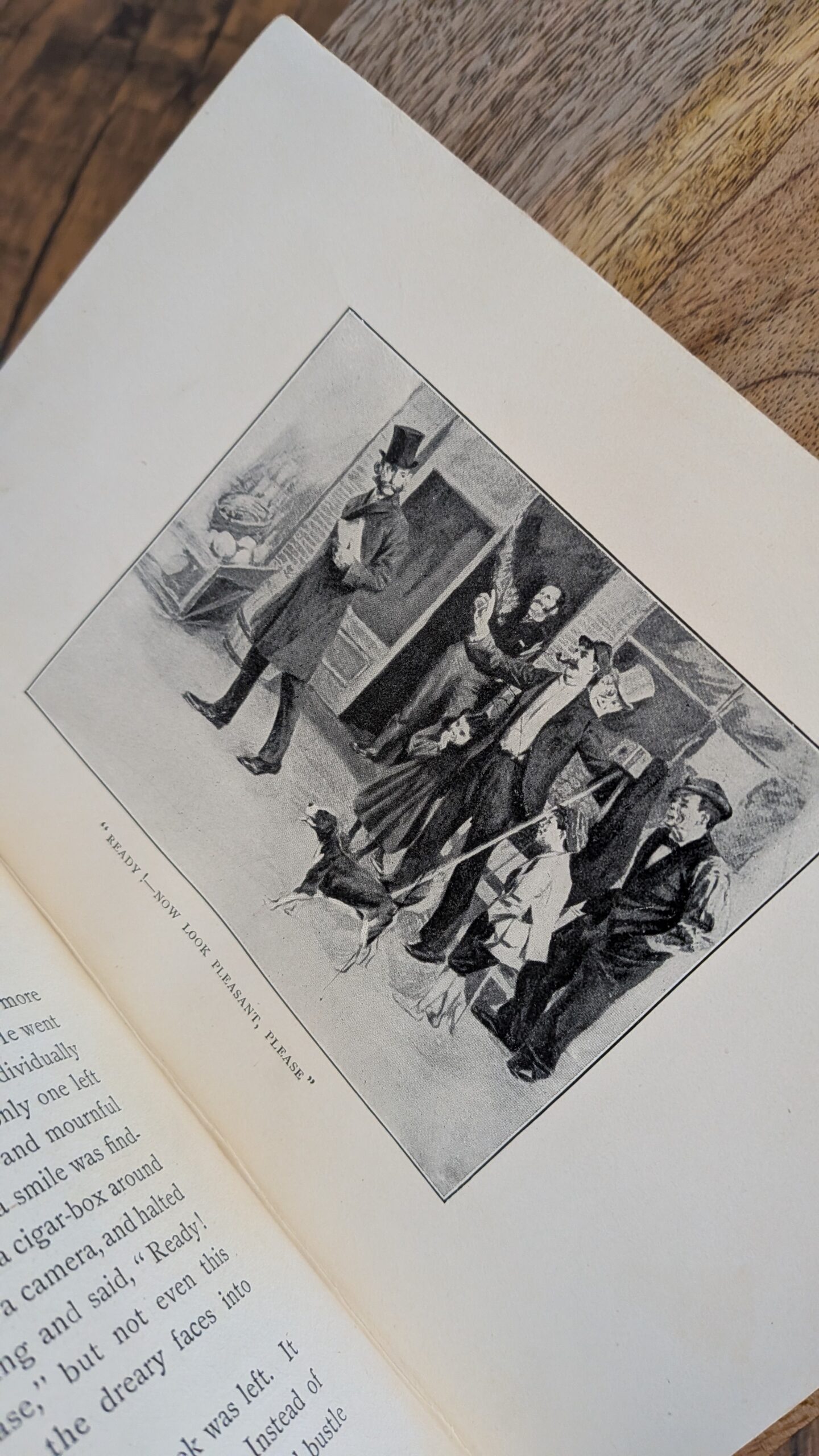
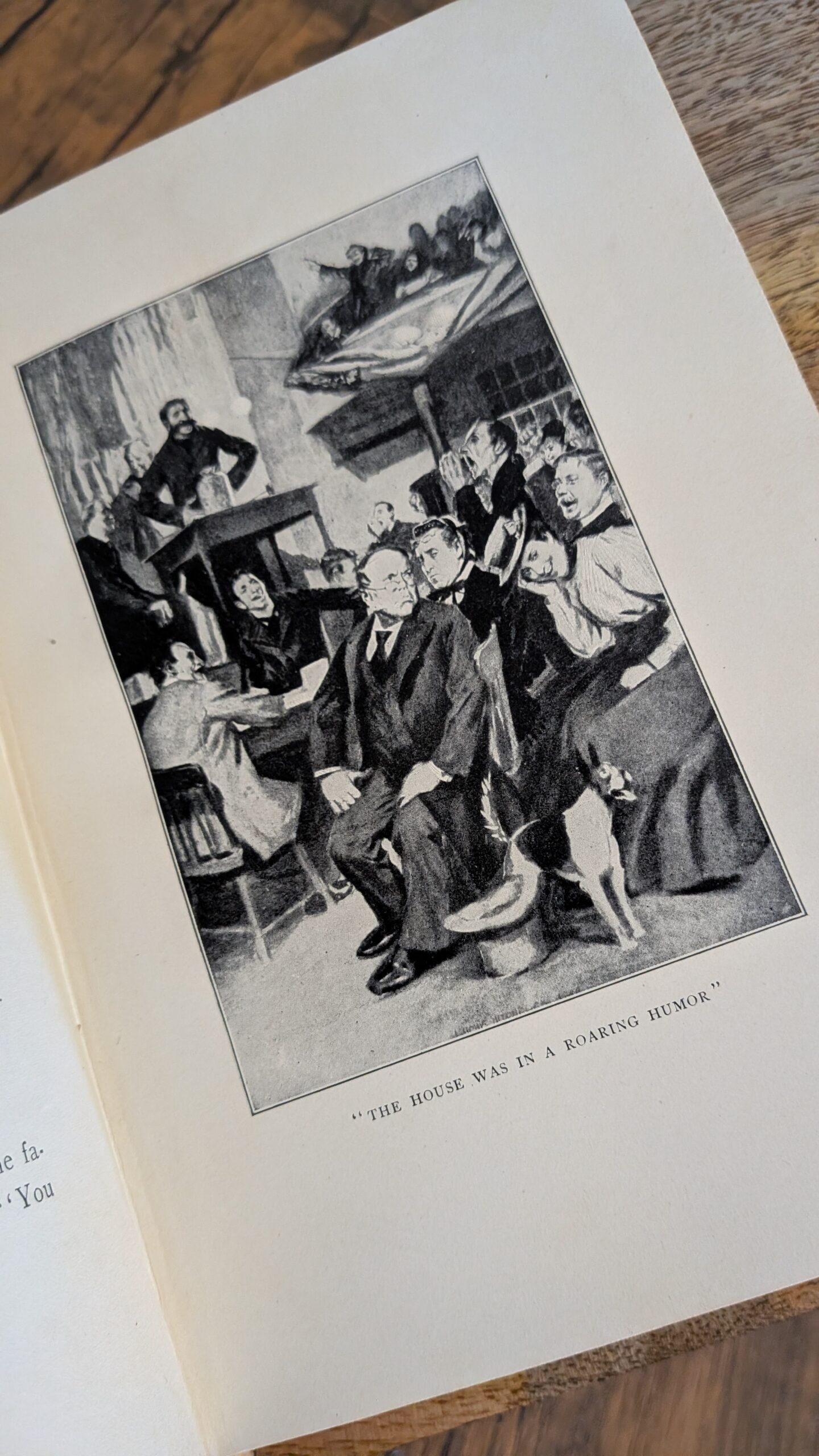
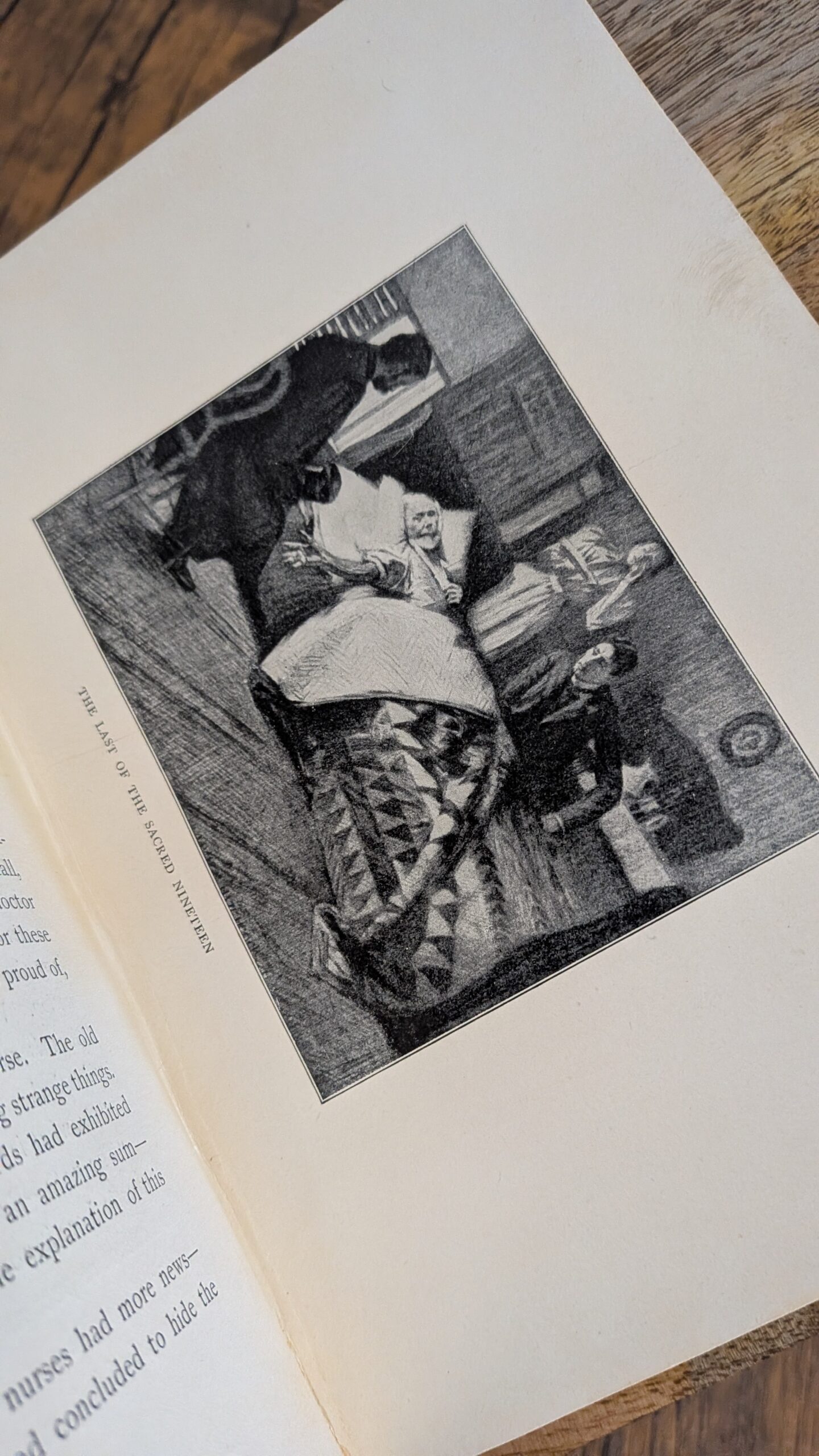
First Edition. First Printing. First State. 12mo. 21 cm tall. 398 pages. Frontispiece and 10 plates inserted (6 of the plates by Lucius Wolcott Hitchcock for the title story), plus an in-text illustration. Publisher’s full red cloth, gilt MT monogram to front board, blindstamped MT monogram to rear board, gilt lettering to spine. First state of the sheets, bulking approximately 1 1/16 inches, per BAL and MacDonnell. Johnson, however, describes a change from heavy to light paper during production and accordingly assigns priority to the thicker-paper copies, in contrast to BAL and MacDonnell. First state of the inserted plate facing page 2, with “[Page 2” above the caption. BAL 3459. Johnson, pp. 70-71. MacDonnell, “Collecting Mark Twain: A History and Three New Paths,” Firsts: The Book Collector’s Magazine (1998). Very Good-. Complete with all plates and frontispiece tissue guard. Pronounced fading and soiling to boards. Pronounced sunning to spine. Mild spine lean. Occasional dog-eared leaves throughout. Front pastedown with bookplate of George Uriel Crocker, grandson of Uriel Crocker (cofounder of the Crocker & Brewster publishing house), nephew of Massachusetts politician George Glover Crocker, and Boston’s City Treasurer from 1901 to 1906.
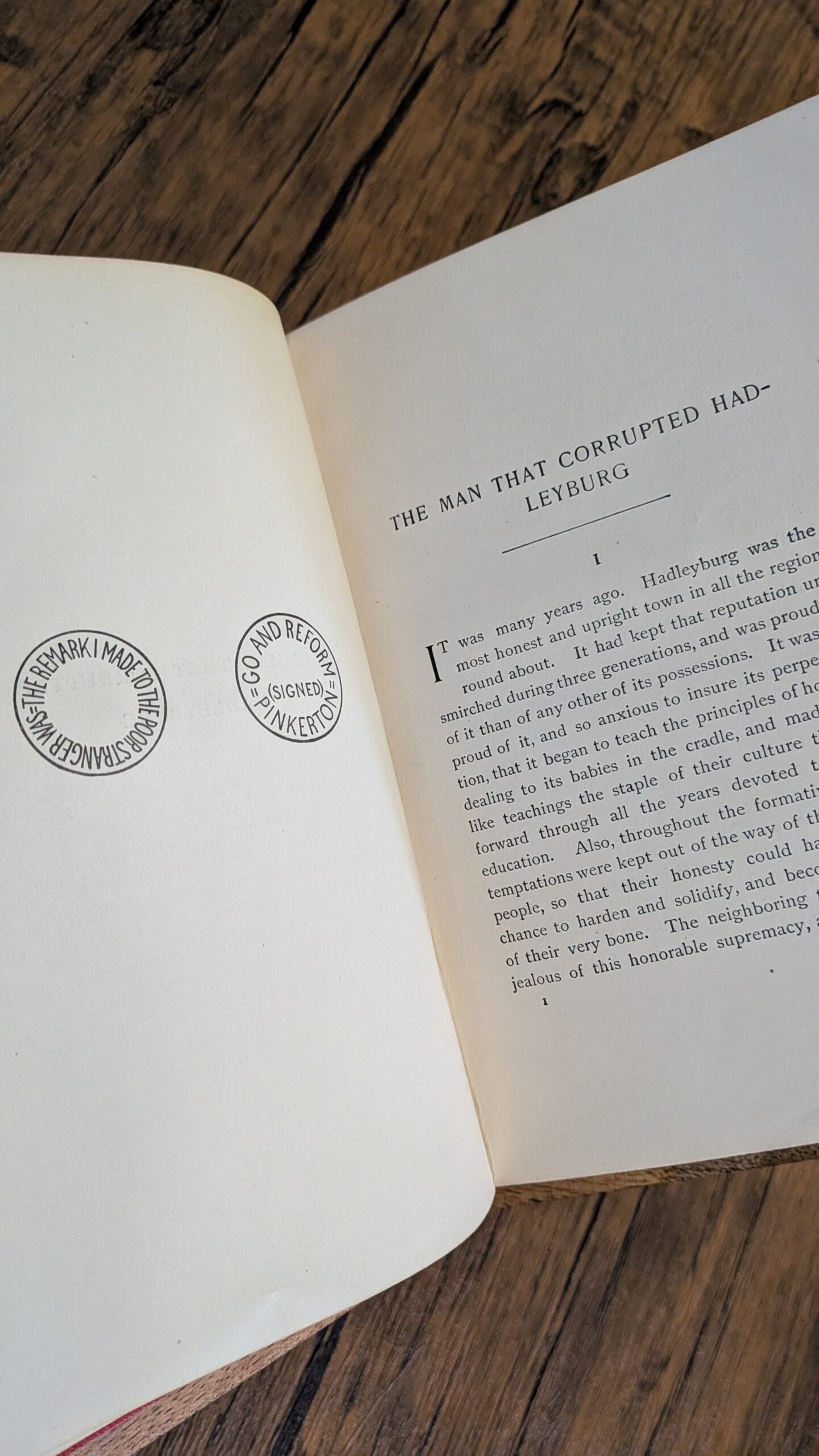
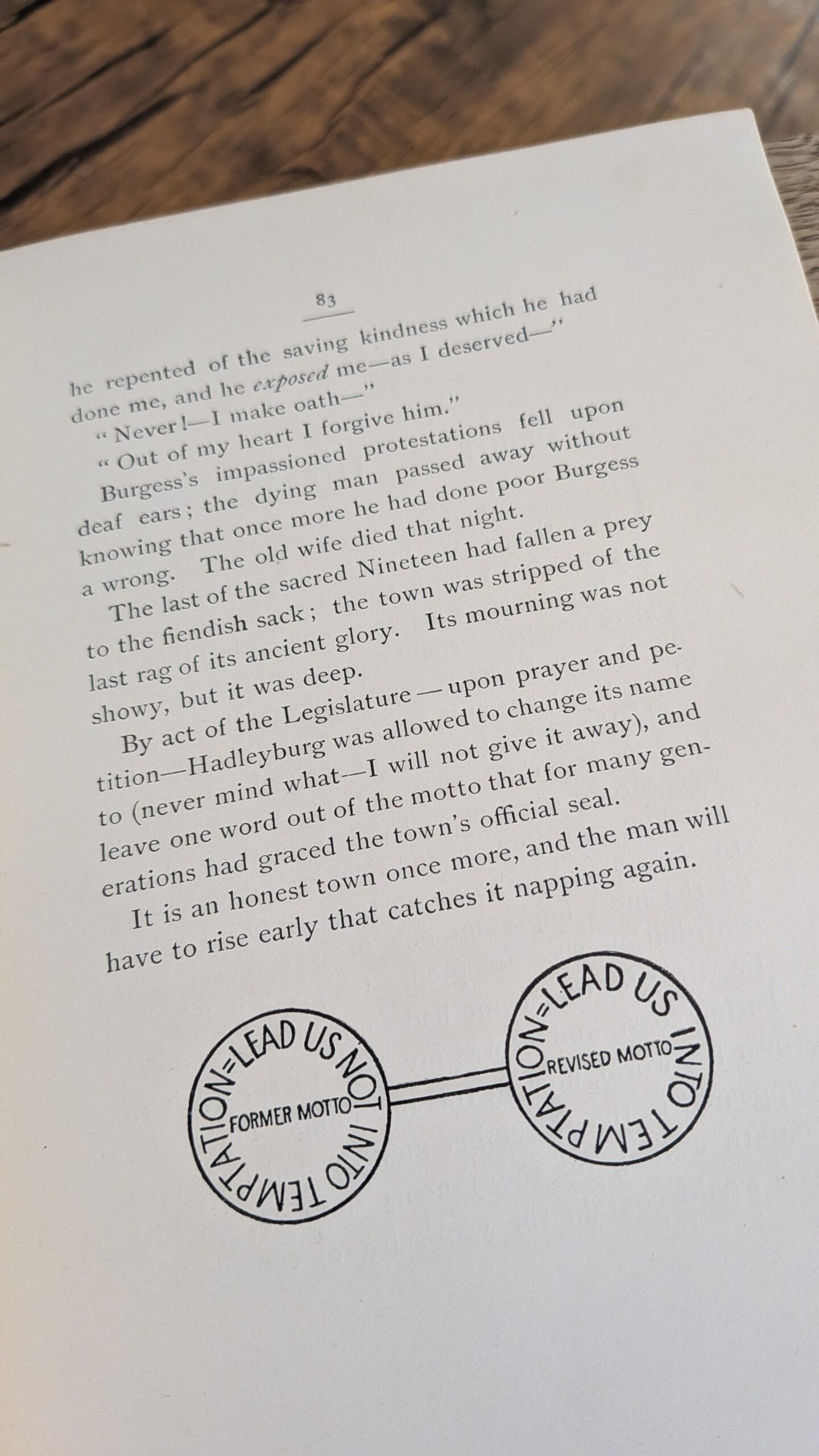
- A staple of American literature anthologies and perhaps Twain’s most famous novella, which depicts the “universality of hypocrisy” and which “has been acclaimed the author’s masterpiece.” Johnson, p. 71.
- This copy in MacDonnell’s “most desirable” manifestation, with both the first state of the sheets and the first state of the inserted plate facing page 2.
- This copy previously owned by George Uriel Crocker, grandson of Uriel Crocker (cofounder of the Crocker & Brewster publishing house), nephew of Massachusetts politician George Glover Crocker, and Boston’s City Treasurer from 1901 to 1906.
- Crocker was also a civil service reformer, treasurer of the Massachusetts Civil Service Association, treasurer of the Northern Railroad, president and director of the United States Hotel Company, and director of the Mutual National Bank—an impressive résumé that lends this copy’s provenance particular resonance with the story’s themes of civic corruption, railroad enterprise, and financial speculation. See Men of 1914 (1915).
- Crocker & Brewster, the publishing house cofounded by Crocker’s grandfather, published Edward Robinson’s Biblical Researches in Palestine (1841; revised 1856), an influential work of Holy Land scholarship that Twain drew upon in composing The Innocents Abroad (1869), the breakout bestseller of his literary career. See McKee, “Archaeological Tourism in Mark Twain’s Innocents Abroad,” ISAW Library Blog (New York University), Feb. 14, 2025.
- Compelling for collectors of Twain and New England history alike.